Economy and Development of Cape Verde
Cape Verde has experienced steady economic growth in recent years, with an estimated GDP of $2.7 billion in 2023 and a per capita GDP of $4,502. The country’s economy is dominated by the services sector (75% of GDP), while agriculture (8%) and industry (17%) play smaller roles.
Despite economic progress, approximately 31.1% of the population still lives in poverty, an increase from 26% in 2019, partly due to the impact of the COVID-19 pandemic. The unemployment rate also remains high (14.5% in 2022). However, projections indicate economic growth of 5.2% in 2024 and 5.4% in 2025, driven by the expansion of agriculture, the energy sector, the digital economy, and increased private consumption.
Fishing remains a crucial resource, with abundant reserves of tuna, lobsters, and blue marlin. Agriculture, however, is limited by water scarcity, focusing on crops such as corn, beans, coffee, sugarcane, and peanuts. To address the lack of water resources, innovative technologies are being implemented, including drip irrigation, water recycling, and humidity condensation systems.
Tourism and Infrastructure
Tourism is the main driver of Cape Verde's economic growth. In 2022, the sector reached 90% of pre-pandemic levels from 2019, and by 2023, it surpassed those figures, demonstrating a strong recovery.
Cape Verde serves as a strategic hub for maritime and air traffic in the Atlantic. Porto Grande in Mindelo (São Vicente) has undergone significant expansions, while the international airports of Amílcar Cabral (Sal), Francisco Mendes (Santiago), and Aristides Pereira (Boa Vista, inaugurated in 2007) have improved the country's connectivity. In 2009, the Cesária Évora Airport was also opened in São Vicente.
Since 1983, Mindelo has hosted major ship maintenance and repair centers. The main commercial ports are located in Mindelo, Praia, and Porto Grande, while smaller islands also have port infrastructure. The road network consists of 3,050 km of roads, of which 1,010 km are paved, primarily with cobblestone.
Future Economic Prospects for Cape Verde Depend on:
✅ International aid flows
✅ Support and investments in tourism
✅ Remittances from emigrants
✅ Collaborations with neighboring African countries
✅ Government development programs
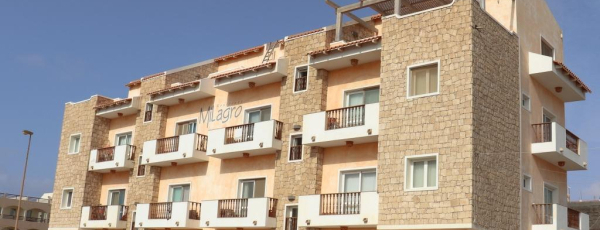
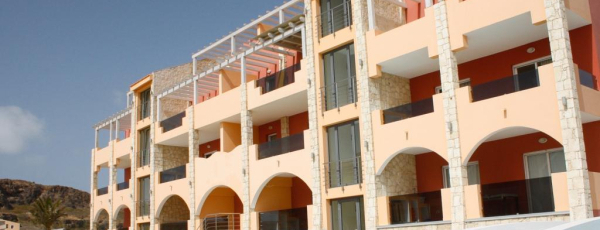
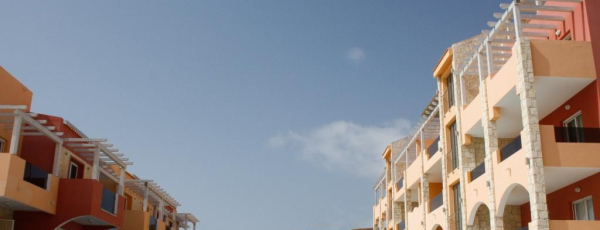
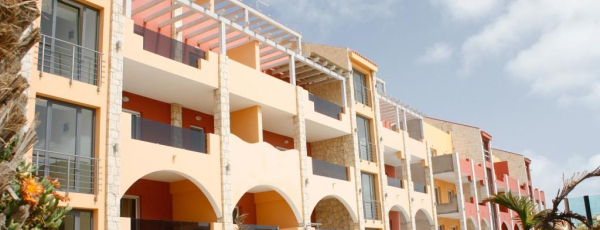
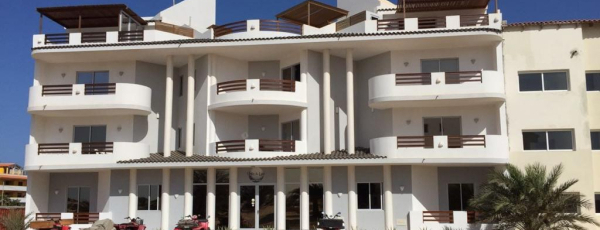
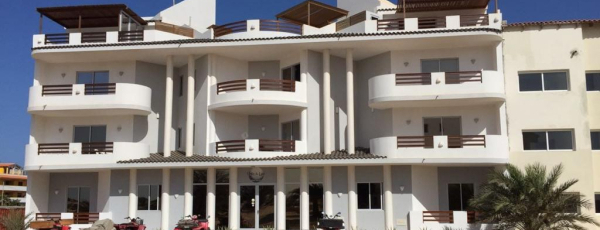
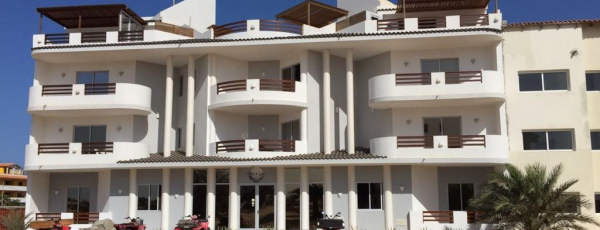
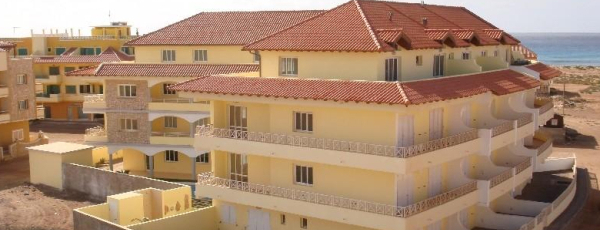
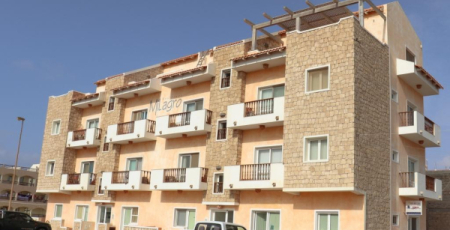
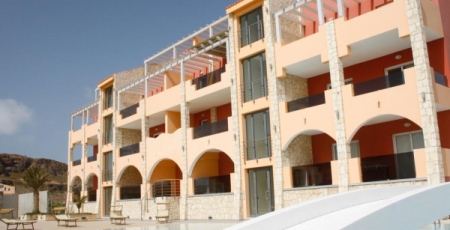
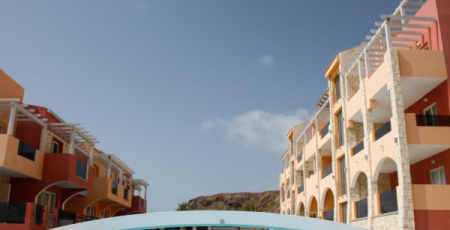
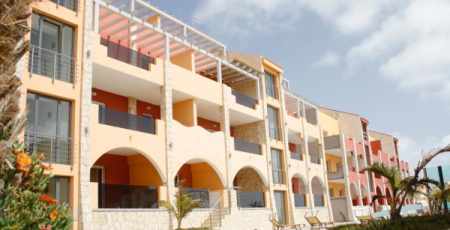
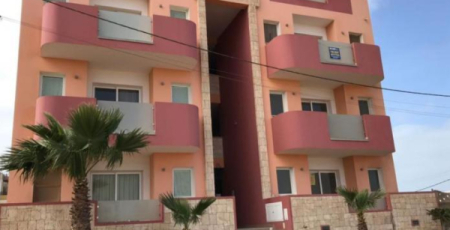
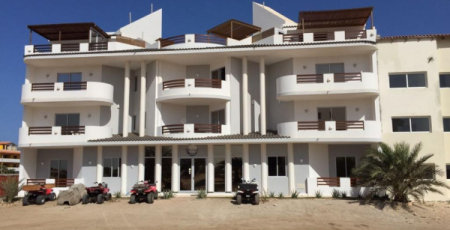
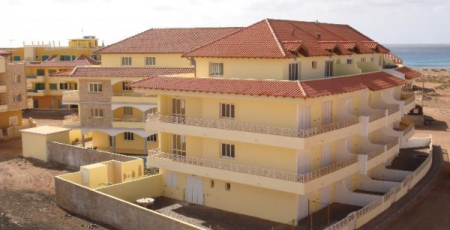
In recent years, the tourism sector has expanded significantly, with the construction of large resorts, particularly on the islands of Boa Vista (8,522 beds) and Sal (14,999 beds).
Currently, Cape Verde has four international airports (São Vicente, Sal, Boa Vista, and Santiago) and three domestic airports (São Nicolau, Maio, and Fogo), while the airports of Santo Antão and Brava remain inactive.
In 2012, for the first time, the number of tourists exceeded the resident population, and in 2023, the tourism sector reached record levels, further consolidating tourism as a central pillar of Cape Verde’s economy.