Santiago: Il Cuore Storico E Culturale Di Capo Verde
Located at the center of the Leeward Islands (Ilhas de Sotavento), Santiago is the largest island in the Cape Verde archipelago, covering an area of 991 km².
The island stretches 55 km from northeast to southeast and has a maximum width of 29 km. Of volcanic origin, Santiago is characterized by several mountainous massifs, with Monte Antónia being the highest peak at 1,392 meters above sea level.
Over time, erosion has shaped deep and breathtaking valleys where agriculture has flourished. Viewed from above, these valleys create a stunning landscape that captivates even the most discerning eye. The lush vegetation and mild temperatures of the humid highlands contrast sharply with the arid, drier regions of the island.
The Island Where It All Began
Throughout its history, Santiago was a frequent target of pirate raids. The then-capital, Ribeira Grande, and the city of Praia were repeatedly attacked and looted, including an infamous assault by the forces of Prior do Crato in 1583, during a war over the Portuguese throne.
Due to these ongoing threats, on December 13, 1769, the administrative center of the island was moved from Ribeira Grande to Vila da Praia. This marked the beginning of Ribeira Grande’s decline, as it was gradually abandoned and fell into obscurity.
Between the 1920s and 1940s, new administrative buildings were constructed in Praia, reinforcing its role as the island’s political and economic center. With Cape Verde’s independence in 1975, Praia was officially designated as the capital of the Republic.
Pirate Attacks and the Decline of Ribeira Grande
Throughout its history, Santiago was a frequent target of pirate raids. The then-capital, Ribeira Grande, and the city of Praia were repeatedly attacked and looted, including an infamous assault by the forces of Prior do Crato in 1583, during a war over the Portuguese throne.
Due to these ongoing threats, on December 13, 1769, the administrative center of the island was moved from Ribeira Grande to Vila da Praia. This marked the beginning of Ribeira Grande’s decline, as it was gradually abandoned and fell into obscurity.
Between the 1920s and 1940s, new administrative buildings were constructed in Praia, reinforcing its role as the island’s political and economic center. With Cape Verde’s independence in 1975, Praia was officially designated as the capital of the Republic.
SAILING: Anchorage and Services for Navigators
The best anchorage for boats is the bay of Praia, where the commercial port offers water and fuel supplies.
Other available anchorage points include:
- Cidade Velha
- Porto Rincão
- Baia Inferno
- Ribeira da Barca
- Baia de Tarrafal
To the northeast of Praia, boats can also anchor off the beach of São Francisco.
DIVING: Exploring the Waters of Tarrafal
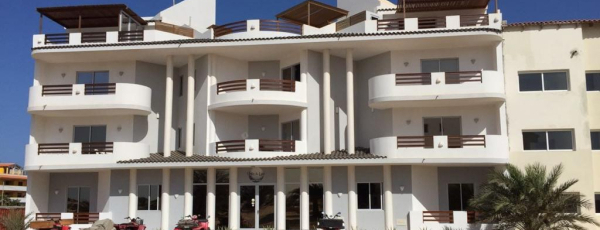
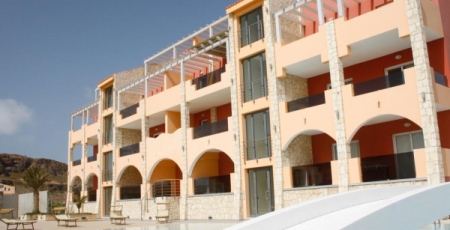
For diving enthusiasts, Tarrafal is home to a diving school at the Baia Verde tourist village. The diving center is open year-round and offers top-quality equipment along with guided dives in marine-rich waters.
The seabed is teeming with tropical fish species, easily visible even at shallow depths. Diving conditions remain favorable throughout the year:
- Water temperature: ranges from 22°C in winter to 27°C in summer.
- Visibility: varies between 10 and 20 meters, with dive depths ranging from 10 to 25 meters.
With its rich history, stunning landscapes, and numerous adventure opportunities, Santiago is an unmissable destination for those seeking to explore the true essence of Cape Verde.